
Key Takeaways
- A porcelain crown is a custom-made tooth cap that fully covers a damaged or weakened tooth, restoring its shape, strength, and appearance.
- Modern porcelain crowns especially zirconia and E.max offer both exceptional durability and a completely natural look that blends seamlessly with surrounding teeth.
- The right crown material depends on where the tooth sits in your mouth, how much pressure it bears, and your aesthetic goals.
Your dentist just told you that a tooth needs a crown. Maybe it broke during a meal, or it has been softened by deep decay, or it went through a root canal and now needs protection. Whatever the reason, you have questions and you deserve clear, honest answers.
A porcelain crown is one of the most common restorations in modern cosmetic dentistry, yet many patients still do not fully understand what it involves, what their options are, or what to realistically expect. This guide walks you through everything from the first appointment to long-term care so you can make an informed decision before you ever sit in the chair.
What is a dental crown and when do you need one?
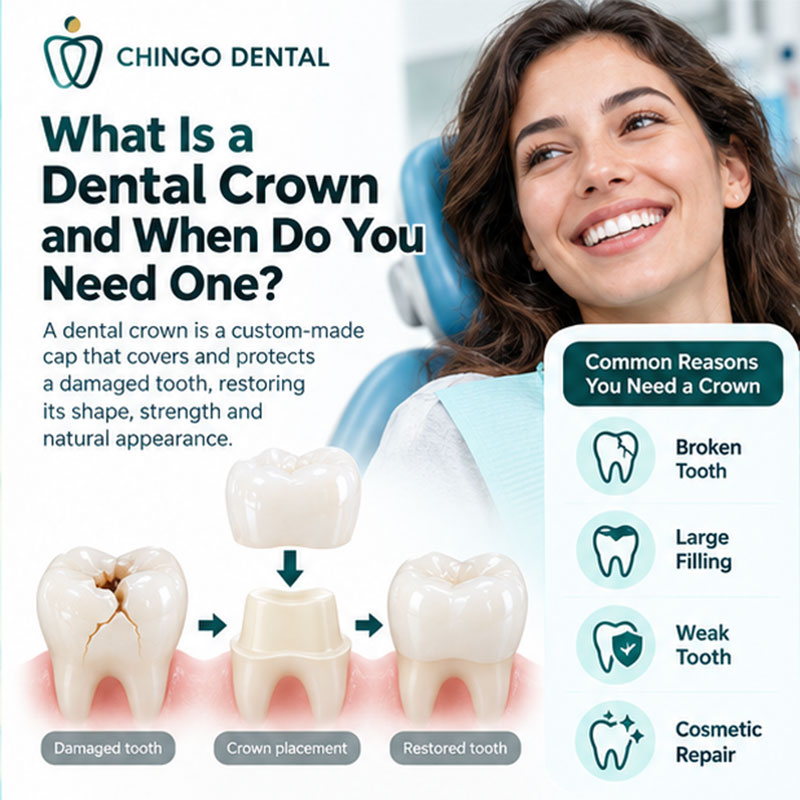
A good starting point is to answer the basic question what is a crown, exactly? A dental crown is a cap-shaped restoration that fits over the entire visible surface of a tooth, from the gumline up. Think of it as a custom sleeve that holds the tooth together, reinforces its structure, and recreates its natural appearance. In everyday conversation, you might hear it called a tooth cap the terms mean exactly the same thing. So do the phrases caps and crowns, which dentists and patients use interchangeably.
Crowns are recommended in a number of situations. A tooth that has lost too much structure to hold a filling securely is a prime candidate. So is a cracked or split tooth, where a crown holds the pieces together and prevents the crack from spreading deeper. After a root canal, the treated tooth becomes more brittle over time, and a crown protects it from fracturing under normal chewing forces. Severely worn teeth often from bruxism, or habitual grinding also benefit from crown coverage.
Beyond repair, crowns play a role in cosmetic rehabilitation. A tooth that is deeply discoloured, misshapen, or significantly smaller than its neighbours can be brought into harmony with the rest of your smile through a well-designed porcelain crown. And when a dental implant is placed to replace a missing tooth, a crown is what sits on top of the implant post giving the artificial tooth its visible, functional form.
If you are unsure whether you need a crown or a simpler restoration like a filling or veneer, the deciding factor is usually how much healthy tooth structure remains. A dentist who works with digital imaging can assess this accurately and explain the reasoning behind their recommendation.
What are the different types of dental crowns?
Understanding the different types of crowns and the dental crown material each is made from is one of the most useful things you can do before your consultation. Not all crowns are made the same will help you have a more productive conversation with your dentist.
All-porcelain and all-ceramic crowns
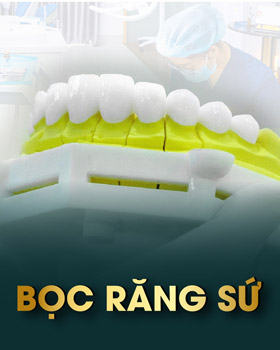
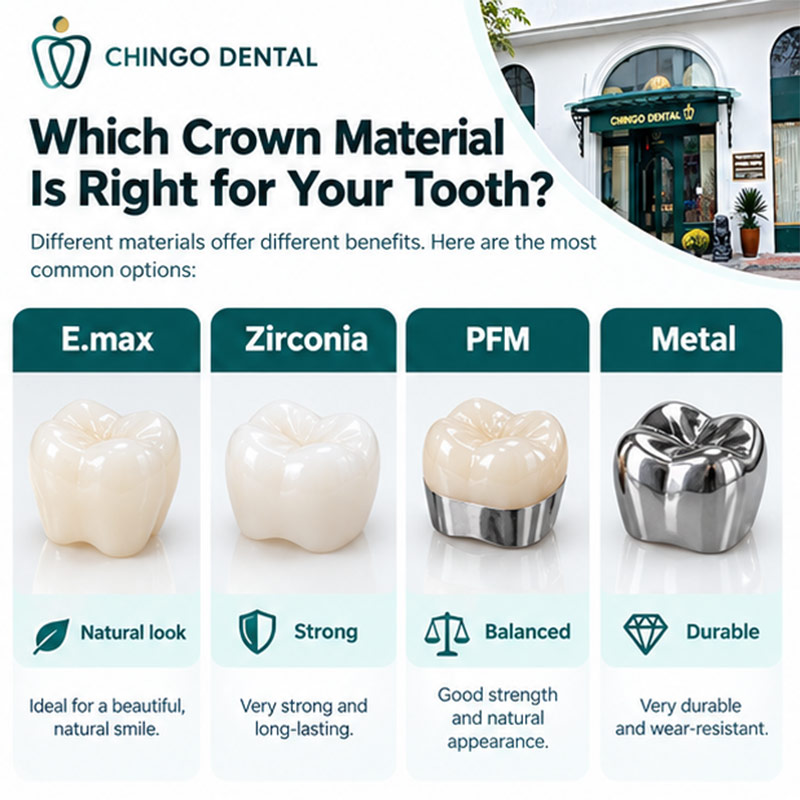
These are the most popular choice for visible teeth. All-ceramic porcelain crowns contain no metal at all, which means there is no risk of a dark line appearing at the gumline as the years pass. They are matched to the exact shade of your surrounding teeth, and because light passes through them in a way that resembles natural enamel, they are nearly indistinguishable from the real thing. The two most widely used ceramic materials today are zirconia and E.max (lithium disilicate), each with its own strengths.
Zirconia crowns
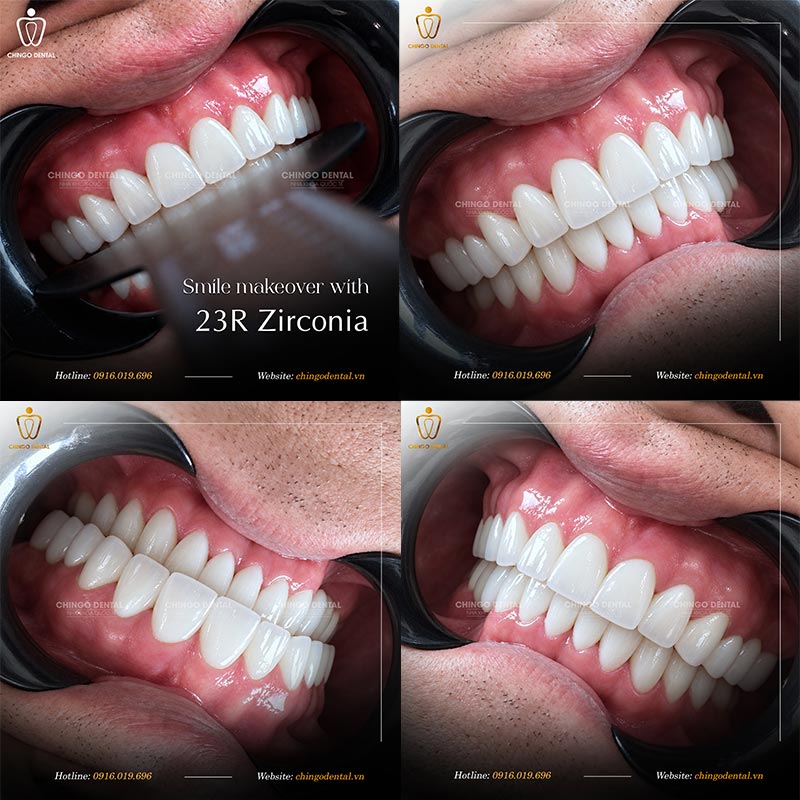
Zirconia has become the benchmark material in modern cosmetic dentistry. It is extraordinarily strong, strong enough to withstand the biting forces of back teeth while still offering the translucency needed for a natural appearance. Monolithic zirconia (milled from a single block) is the more durable option and works well on molars and premolars. Layered zirconia, which involves adding a hand-crafted porcelain surface over the zirconia base, delivers an even higher level of aesthetics and is often chosen for front teeth.
E.max (lithium disilicate) crowns
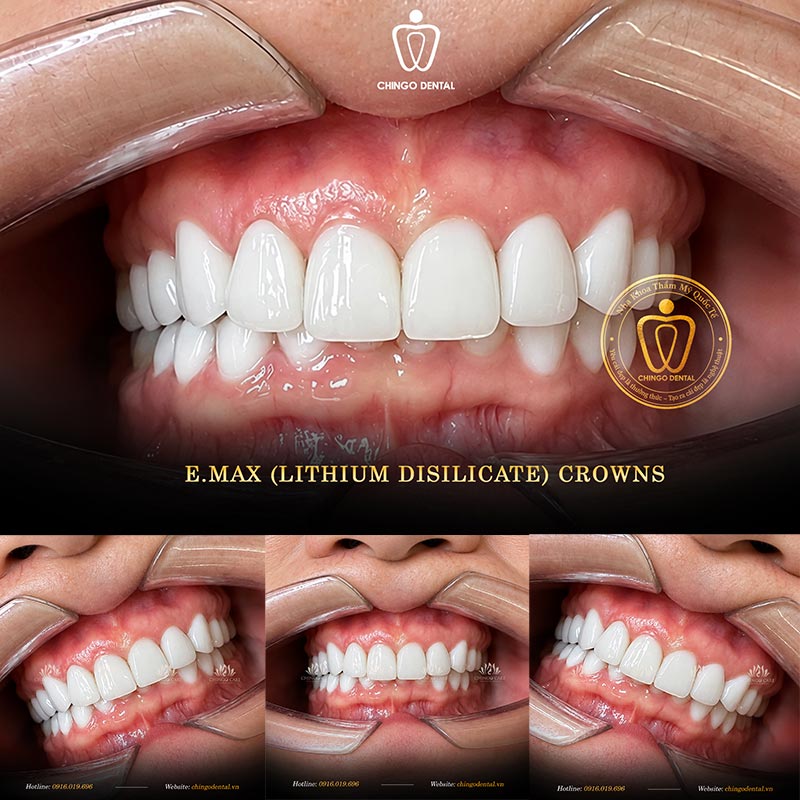
E.max is the preferred material when aesthetics are the top priority. Its glass-ceramic composition allows light to pass through in a way that closely mimics natural tooth enamel, making it the material of choice for front teeth where every subtle shade and contour matters. It is also strong enough for premolars. For high-pressure molar positions, however, zirconia remains the better-performing option.
Porcelain-fused-to-metal (pfm) crowns
PFM crowns have been used reliably for decades. A metal alloy substructure gives them structural strength, while a porcelain outer layer provides a tooth-like appearance. They remain a practical, cost-effective option, particularly for back teeth. One limitation is that the metal base can cause a thin grey line to appear at the gumline over time, especially if the gum recedes. For patients prioritising a completely metal-free solution, all-ceramic alternatives are generally preferred.
Metal crowns
Gold and base metal alloy crowns are the strongest and longest-lasting option available. They require the least removal of healthy tooth structure and virtually never chip or fracture. The obvious trade-off is aesthetics, they are not tooth-coloured. For this reason, metal crowns are most often used on back molars where they are rarely visible but where chewing forces are greatest.
|
Crown Type |
Aesthetics |
Strength |
Best Suited For |
Typical Lifespan |
|
Zirconia |
Excellent |
Outstanding |
Any tooth |
15 – 25 years |
|
E.max (Lithium Disilicate) |
Outstanding |
Good – Very good |
Front teeth, premolars |
10 – 15 years |
|
Porcelain-Fused-to-Metal |
Good |
Very good |
Back teeth |
10 – 15 years |
|
Metal / Gold |
Poor |
Exceptional |
Molars |
20 – 30 years |
Which crown material is right for your tooth?
The answer depends on three things, where the tooth is, how much force it takes, and how important aesthetics are to you.
For front teeth, the material decision is almost always about appearance first. E.max and layered zirconia both produce results that are virtually impossible to distinguish from natural teeth. The fine grain of the ceramic allows for subtle translucency at the edges and a lifelike gradation of colour from the root to the tip. Patients who have had front tooth crowns placed at a skilled clinic often describe being unable to identify which tooth was restored when they look in the mirror.
For back teeth particularly molars, the priority shifts toward durability. Molars can generate up to 200 pounds of biting force, and the material needs to withstand that repeatedly across many years. Monolithic zirconia is widely considered the best crown for molars because it delivers both the required strength and an acceptably natural appearance. Some patients in this position still prefer metal crowns, especially gold, because of their unmatched longevity and minimal tooth preparation requirements.
Patients who grind their teeth at night should discuss this with their dentist before a crown material is selected. Grinding significantly accelerates wear on any crown, and a night guard worn over the restoration can extend its life considerably.
A personalised consultation with a dental crown specialist, one who can review X-rays and assess the full clinical picture will always produce a more accurate recommendation than any general guideline.
What happens during the porcelain crown procedure?
The process typically takes two appointments, though clinics equipped with in-house CAD/CAM milling technology can sometimes complete the work in a single visit.
First appointment: consultation and tooth preparation
The first step is a thorough examination. Your dentist will take X-rays and, at advanced clinics, a CT Cone Beam 3D scan to assess the root, surrounding bone, and overall tooth condition with precision. This kind of imaging removes guesswork and allows for planning that extends well below the visible surface of the tooth.
Once the tooth is numbed with a local anaesthetic, the dentist reshapes it to create room for the crown. How much reduction is needed varies by material, metal crowns require the least, while porcelain crowns need a bit more space to achieve sufficient thickness for strength. Most patients feel pressure during this stage but no sharp discomfort.
Impression or digital scan
With the tooth prepared, an impression is taken of the area. Traditional rubber impressions have largely been replaced by digital intraoral scans at modern clinics, a camera passed over the tooth records its three-dimensional shape in seconds, producing a highly accurate model without the discomfort of impression trays.
At Chingo Dental, the combination of Digital Smile Design and in-house CAD/CAM milling means the crown can be designed on-screen, reviewed with the patient for shape and proportion, and then milled from a solid block of ceramic in the clinic. This level of precision and patient involvement in the design process is one of the practical advantages of choosing a clinic with current technology.
A temporary crown is placed over the prepared tooth while the final restoration is being made, protecting the tooth and maintaining your appearance.
Final fitting
At the second appointment, the temporary crown is removed and the permanent porcelain crown is tried in. The dentist checks the fit, bite, and shade before bonding it permanently. Small adjustments are made until everything feels natural. Most patients leave with a fully functioning tooth that looks exactly like the rest of their smile.
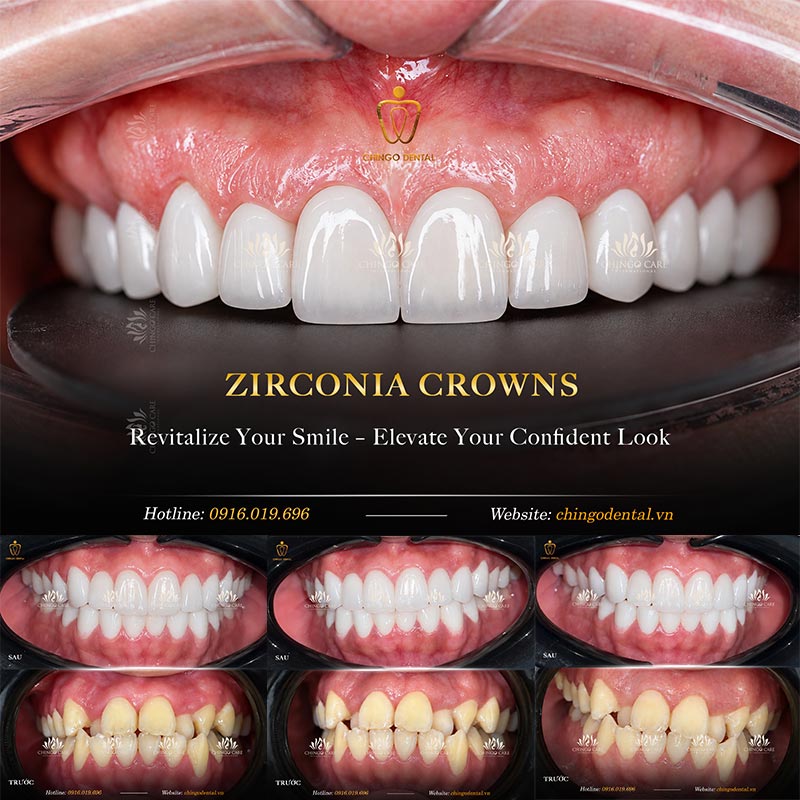
Tooth crown before and after: what actually changes?
The transformation that comes with a well-made tooth crown is often more significant than patients expect. Functionally, a tooth that was sensitive, cracked, or weakened becomes reliable again patients can chew without discomfort or anxiety. Aesthetically, a discoloured, chipped, or oddly shaped tooth is replaced with something that matches its neighbours in colour, size, and surface texture. In cases involving front teeth, the change to a patient’s overall smile can be striking. Reviewing tooth crown before and after photographs at a consultation gives a realistic sense of the outcome and helps patients communicate what they are hoping for.
What about a dental implant crown?
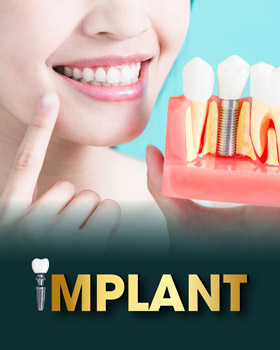
An implant crown is slightly different from a crown placed on a natural tooth, though the visible result is very similar. When a tooth is missing, a titanium implant post is surgically placed into the jawbone and left to integrate with the bone over a period of several months. Once the post is stable, an abutment is attached to it, and the crown is seated on top of the abutment.
The crown itself follows the same material logic as any other dental crown. Zirconia is the most commonly chosen material for dental implant crowns because it is biocompatible, durable, and produces a natural appearance. The crown connects to the abutment either through a screw or through dental cement, and the final result once healed, is a tooth that looks, feels, and functions like the one that was lost.
What matters most with an implant crown is precision. The crown must align perfectly with the opposing teeth and neighbouring teeth in all three dimensions. CT imaging and digital planning, combined with high-quality ceramic materials, are the components that make this level of accuracy achievable. Chingo Dental offers complete implant and crown services at both its Hanoi and Da Nang locations, with bilingual English-speaking staff to guide international patients and expats through every stage of the process.
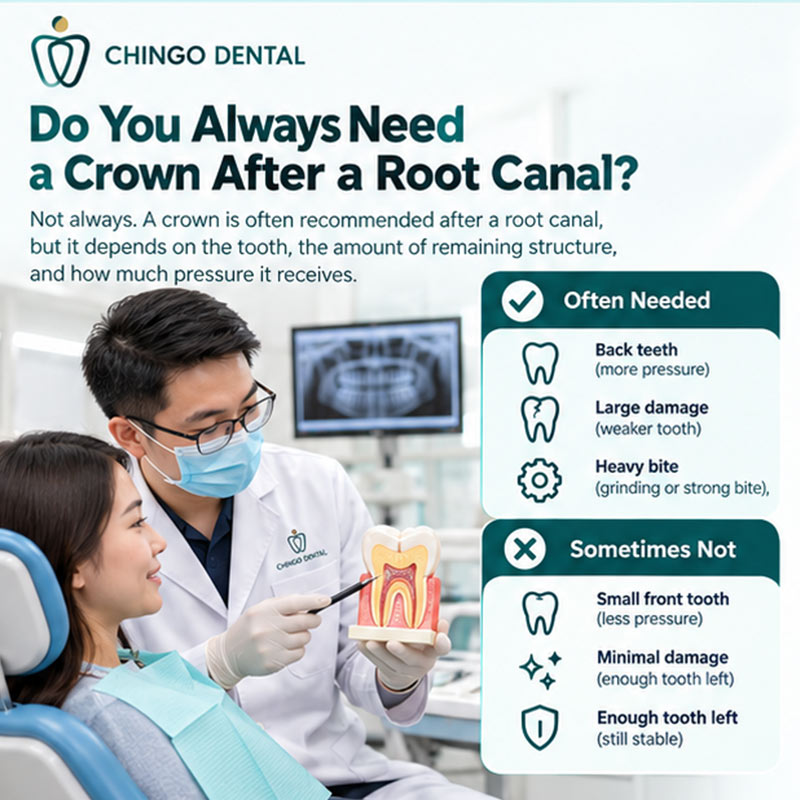
Do you always need a crown after a root canal?
This is one of the most common questions patients ask and the short answer is that in most cases, yes. Here is why.
A root canal removes the nerve and blood supply from inside the tooth. This does not immediately weaken the tooth, but over months and years the tooth loses moisture and becomes significantly more brittle than a living tooth. Under normal chewing forces, a brittle tooth without structural protection is at high risk of fracturing often in a way that cannot be repaired and requires extraction.
A root canal crown prevents this. By covering the entire tooth from the gumline up, the crown distributes biting forces evenly and holds the tooth structure together. Dentists typically recommend delaying the crown placement by a few weeks after the root canal to confirm that the procedure has been fully successful and that there are no signs of residual infection. Once the tooth is confirmed stable, the crown is placed.
Skipping the crown after a root canal is a common reason patients return with a fractured tooth that could otherwise have been saved. The crown is not an optional add-on, it is the final and essential step in the restoration.
How long do porcelain crowns last and what shortens their life?
With proper care, a well-made porcelain crown can last anywhere from ten to twenty-five years, depending on the material and how well it is maintained. Zirconia tends to have the longest clinical lifespan. E.max and PFM crowns generally perform well for ten to fifteen years before showing signs of wear or requiring replacement.
Several factors accelerate deterioration. Grinding teeth at night applies force to a crown that far exceeds anything that occurs during normal eating, patients with bruxism who do not wear a night guard will see their crowns wear much faster. Biting hard objects ice, pen caps, hard candy, can chip or crack ceramic crowns. Poor oral hygiene does not damage the crown material itself, but it allows decay to develop at the margin where the crown meets the tooth, compromising the seal and eventually requiring replacement.
Signs that a crown may need attention include sensitivity to hot or cold, pain when biting, visible chips or cracks, a dark line appearing at the gumline, or a loose feeling. Any of these warrants a visit to your dentist rather than a wait-and-see approach.
Caring for a crown is not complicated. Brushing twice daily, flossing carefully around the margin, and attending regular check-ups are sufficient for most patients. The investment in a quality dental crown is protected by exactly the same habits that protect natural teeth.
How much do porcelain crowns cost?
Crown pricing varies considerably depending on the material, the technology used, the tooth’s position, and the clinic. As a broad reference, all-ceramic and zirconia crowns sit at the higher end of the range due to the cost of materials and the precision of fabrication. PFM crowns are more affordable. Metal crowns are the least expensive.
What drives the total cost beyond materials is the clinical process: the quality of the imaging, the skill of the ceramist or the precision of the CAD/CAM milling system, and the experience of the dentist performing the preparation. A crown placed without adequate tooth preparation or with a poorly fitted margin will fail sooner and require replacement negating any savings from choosing a lower-cost option.
For patients in Vietnam, including the growing number seeking high-quality dentistry in Da Nang and dentistry in Hanoi, the combination of internationally trained dental teams, advanced technology, and significantly lower costs than Western markets makes Vietnam an increasingly attractive destination for dental care. Chingo Dental offers transparent pricing with no hidden fees, and provides personalised quotes following a complimentary consultation. For international patients and expats, all consultations are available in English.
Why do patients choose Chingo Dental for their porcelain crown?
Chingo Dental was built around a straightforward premise: patients deserve the same standard of care they would find at a leading clinic anywhere in the world, delivered in a transparent and comfortable environment.
The technology at both the Hanoi and Da Nang locations reflects this. CT Cone Beam 3D imaging provides a complete picture of the tooth, root, and surrounding bone before any treatment begins. This is the same diagnostic tool used at specialist dental centres globally, and it eliminates the margin for error that comes with conventional two-dimensional X-rays. The in-house CAD/CAM system designs and mills the crown with micron-level precision, and the Digital Smile Design process lets patients preview the planned result before committing to treatment.
Materials are selected at the top tier of what is available. Chingo Dental works with Zirconia and E.max, both internationally certified and widely regarded as the gold standard in contemporary cosmetic dentistry. These are not generic materials, they are the same brands and grades used at leading clinics in South Korea, Japan, and Europe.
Patients who have chosen dentistry in Hanoi or dentistry in Da Nang through Chingo Dental frequently cite the English-speaking team as a significant factor in their decision. Clear communication at every stage of treatment from the first consultation through to aftercare eliminates the uncertainty that can otherwise make dental care in a foreign country feel daunting.
Pricing is stated clearly. There are no unexpected charges, and treatment plans are explained in full before any work begins.
Frequently asked questions about porcelain crowns (FQA)
Question 1. What is the difference between a dental crown and a tooth cap?
There is no clinical difference. Both terms refer to the same restoration, a custom-made cap that fits over the entire visible portion of a tooth. “Tooth cap” is the informal term; “dental crown” is what dentists use in clinical documentation. You will hear both in a dental setting, and they mean exactly the same thing.
Question 2. What is the best type of crown for molars?
Zirconia is generally the top recommendation for molars because it combines exceptional strength with a natural enough appearance that it does not stand out in the back of the mouth. For patients who prioritise longevity above aesthetics, gold crowns remain a legitimate and highly durable choice. Your dentist can advise based on your specific bite pattern and any history of grinding.
Question 3. Is it painful to get a dental crown?
The preparation is done under local anaesthesia. Most patients feel pressure and vibration but no sharp pain during the procedure. It is normal to experience mild soreness or sensitivity for a few days after the anaesthesia wears off. This typically resolves on its own. Significant or prolonged discomfort is uncommon and warrants a follow-up with your dentist.
Question 4. Does a porcelain crown look natural?
Modern zirconia and E.max crowns are matched in shade, translucency, and surface texture to the surrounding teeth. When placed by an experienced cosmetic dentist using high-quality materials, the crown is often indistinguishable from a natural tooth, even under close inspection. Many patients reviewing their own tooth crown before and after photographs have difficulty identifying which tooth was restored.
Question 5. Can a dental implant have a porcelain crown?
Yes. An implant crown follows the same material logic as a crown on a natural tooth. Zirconia is the most common choice for dental implant crowns because it is biocompatible, resistant to staining, and produces a result that closely matches natural teeth. The crown is fitted to the implant through a precision-made abutment, and the final result functions like a natural tooth in all respects.
Question 6. How soon can I get a crown after a root canal?
Most dentists recommend waiting two to four weeks after a root canal before placing the permanent crown, to confirm that the treatment has been successful and the tooth is stable. During this time, a temporary crown is placed to protect the tooth. Once the dentist is satisfied that there are no remaining signs of infection or discomfort, the permanent root canal crown is fitted.
Question 7. What happens if I do not get a crown when my dentist recommends one?
A tooth that has been prepared for a crown or that has had a root canal, is significantly more vulnerable to fracture than a healthy tooth. Without the protection of a crown, it is at a real risk of splitting, sometimes in a way that cannot be repaired. Delaying a recommended crown is a common reason patients ultimately lose a tooth that could otherwise have been saved.
The right crown changes more than just a tooth
A porcelain crown is not a patch-up job, it is a precision restoration that, when done well, extends the life of a tooth for decades and delivers a result that holds up both functionally and aesthetically through years of daily use.
Choosing the right material, the right clinic, and the right team matters more than most patients initially realise. The difference between a crown that lasts fifteen years and one that causes problems within five often comes down to the quality of the preparation, the accuracy of the fit, and the standard of the materials used.
If you are considering a dental crown, whether for a single damaged tooth, as part of a broader smile restoration, or as the final step after an implant or root canal, Chingo Dental’s team is available for a complimentary consultation at both its Hanoi and Da Nang clinics. The consultation is conducted in English, takes a thorough look at your specific situation, and gives you a clear, transparent picture of your options and costs before you make any decision.
Reach out to Chingo Dental today and take the first step toward a stronger, healthier smile
Contact Information – Chingo Dental International Cosmetic Dentistry
Chingo Hanoi Branch:
- Address: No. 1, Lane 558 Nguyen Van Cu Street, Bo De Ward, Hanoi City
- Hotline: 0915.217.855 – 0912.391.909 – 0978.090.780
Chingo Da Nang Branch:
- Address: No. 22 Le Hong Phong Street, Hai Chau Ward, Da Nang City Da Nang
- Hotline: 0916.019.696 – 0919.590.326 – 0916.102.552
Opening hours: 8:00 AM – 8:00 PM, all days of the week
Email: info@chingodental.vn
Website: https://chingodental.vn
This article is intended for informational purposes. Individual treatment plans and costs vary based on clinical assessment. Consult a qualified dental professional before making any treatment decisions.